2026-09-06 · Shawnie Alton
Best Security Camera Placement for a Home
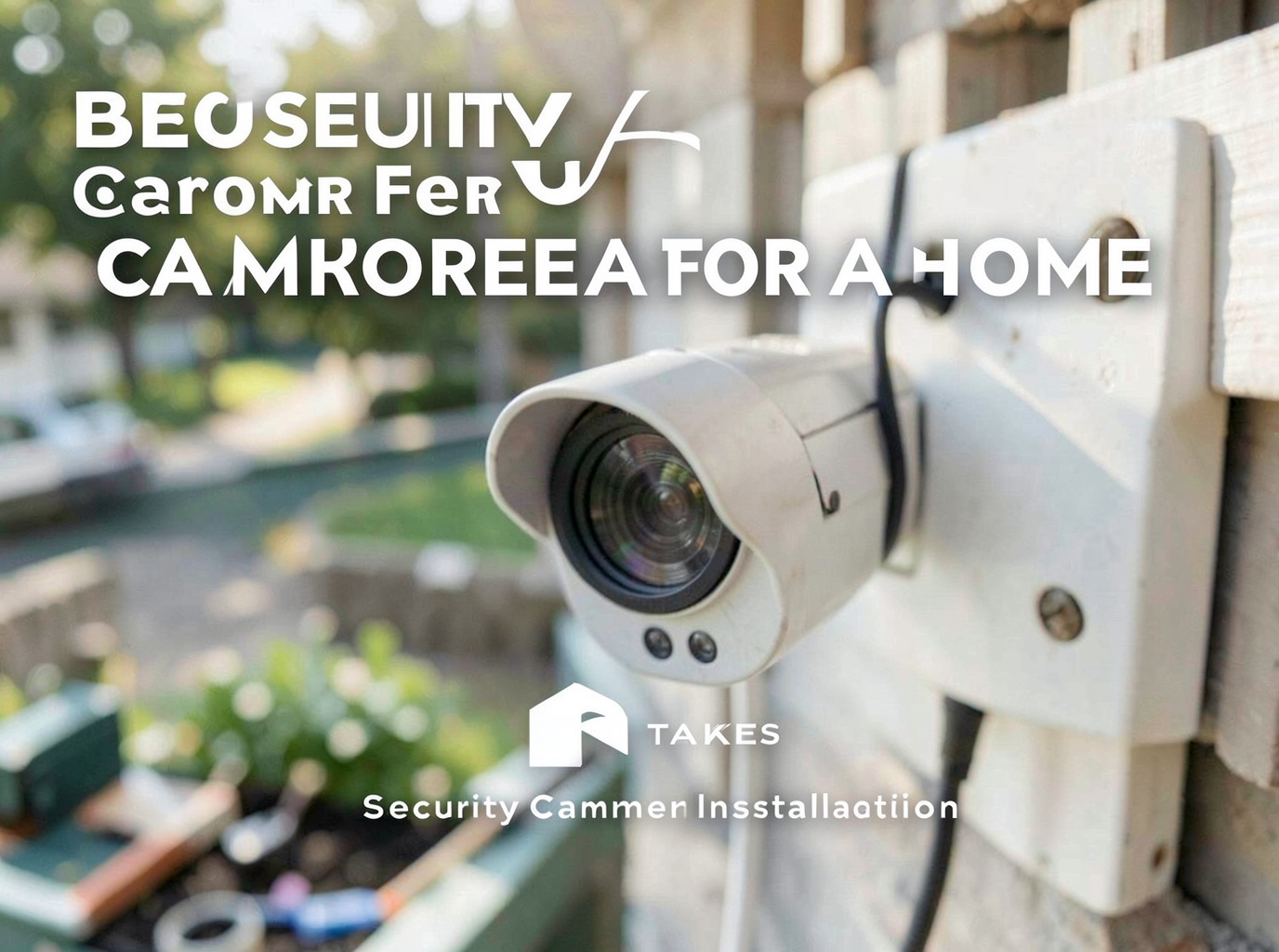
The best security camera placement for a home starts with cameras at all primary entry points and elevated corners to achieve full perimeter coverage without gaps. This setup captures vehicle approaches, walkways, and side yards common in Houston single-family homes built from the 1960s onward.
Front Entry and Driveway Coverage
Place one camera above the main door at 8–10 feet high, angled down to record faces and packages. Add a second unit on the garage corner to cover the driveway apron and street approach. In Houston neighborhoods such as the Heights and Montrose, narrow lots mean these two positions often handle 60 percent of daily activity. Mount units under eaves to reduce direct sun exposure on lenses during peak afternoon hours. Run cabling through attic spaces where possible to avoid exterior conduit that can collect moisture during heavy rains. Review footage weekly to confirm the field of view includes the full sidewalk width in front of the property.
Side Yards and Rear Access Points
Install cameras at each rear corner of the house, aimed along the fence lines to monitor gates and side passages. Many Houston homes feature detached garages or alley access, so angle one unit to include that secondary entry. Use 4–6 mm lenses for longer sight lines across typical 50–70 foot backyards. Position units high enough to clear landscaping but low enough to avoid tree limbs that sway in Gulf winds. Check that each camera overlaps the view of the next unit by at least 10 feet to prevent blind spots near fences or sheds. This layout works well for properties near Buffalo Bayou where terrain can slope and create lower sight lines.
Second-Story and Elevated Views
On two-story homes common in areas like River Oaks and West University, mount one camera under a second-floor eave to overlook the entire backyard and pool area. This height reduces tampering risk while providing a clear line across neighboring lots. Angle the lens slightly downward to capture activity near ground-level windows. In older Houston stock with mature trees, trim branches within 5 feet of the camera to maintain an unobstructed field. Test the view at dusk because streetlights and porch fixtures can create glare on lower-resolution sensors. These elevated placements complement ground-level units for layered coverage.
Practical Installation Considerations
Before drilling, map existing wiring routes and note where PoE or wireless signals may weaken through brick or stucco walls found in many local homes. Schedule work during morning hours when temperatures stay below 85 degrees to keep equipment cool during setup. After mounting, walk the property with the live feed on a phone to verify no new blind spots appear near HVAC units or utility boxes. Homeowners in the Houston metro can review full residential options at Residential Security Camera Installation and learn how many units suit their layout in the guide How Many Security Cameras Do I Need for My Home?. Regular lens cleaning every 90 days keeps images clear through pollen and dust seasons typical in the region.