2026-09-06 · Shawnie Alton
Best Security Cameras for Restaurants
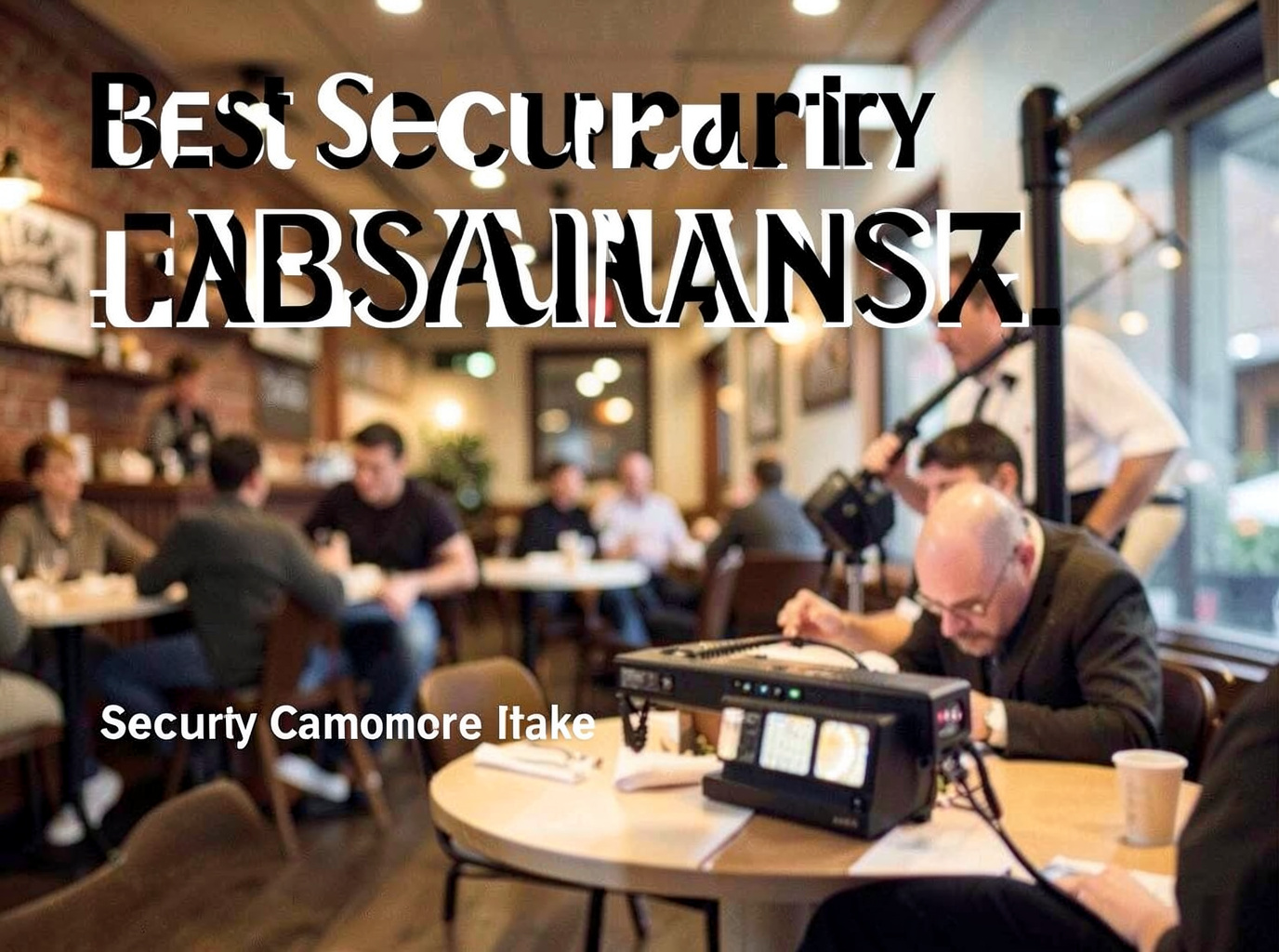
For restaurants across Houston and surrounding Texas neighborhoods, the best security cameras are IP models with PoE connectivity and at least 4K resolution paired with wide dynamic range sensors. These handle mixed lighting from kitchen heat lamps to dim dining rooms while resisting the region's frequent humidity and sudden storms better than older analog units.
Camera Types That Perform in Restaurant Settings
Restaurants face constant foot traffic, varying light levels, and the need to monitor both public and back-of-house areas. IP security cameras stand out because they deliver clear footage over networks without signal loss common in older DVR setups. In Houston's humid climate, models with IP66 or higher ratings prevent moisture damage on patios or near exhaust vents. PoE security camera installation reduces exposed wiring that can fail during heavy rains common in the area. Operators often choose 4K bullet or turret styles for entrances and 2MP fisheye lenses above service counters to capture 360-degree views without multiple units. These choices cut blind spots around registers and storage while keeping cabling simple in older buildings common in neighborhoods near 2644 Eva Pearl Street.
Placement Priorities for Dining and Kitchen Areas
Effective coverage starts with mapping high-risk zones rather than installing the maximum number of units. Place cameras at entry points to record arrivals and exits, over cash registers to document transactions, and in kitchens to monitor inventory and staff activity. Wide-angle lenses reduce the total count needed in compact restaurant layouts typical of Houston commercial strips. Avoid aiming directly at windows where glare from afternoon sun reduces image quality. Pairing cameras with existing network drops through Security Camera Networking & Cabling keeps installation costs predictable. For full guidance on positioning, review Best Security Camera Placement for a Business before finalizing layouts.
System Architecture and Recording Options
A complete restaurant system usually combines NVR security camera systems with remote access so owners can check footage from off-site during non-business hours. Local storage in weatherproof enclosures protects recordings from power fluctuations that occur during Texas storms. Cloud backups add redundancy when on-site drives fail. Integration with point-of-sale terminals allows timestamp matching between sales data and video, which helps resolve disputes quickly. Wireless options work for temporary patios but require strong signal strength; most Houston restaurants prefer hardwired PoE runs for stability. Budget ranges for a four-camera starter package with NVR typically fall between $1,800 and $3,200 depending on resolution and cabling distance.
Ongoing Care and When to Upgrade
Regular maintenance prevents image degradation from dust, grease, and pollen that accumulate quickly in restaurant ventilation. Schedule quarterly lens cleaning and firmware checks, especially before peak seasons like summer festivals in the Houston metro. When footage becomes pixelated or night vision fails, consider Security Camera Upgrades to newer sensors rather than repeated repairs. Many operators in the area replace systems every 6–8 years as resolution standards improve and older models lose manufacturer support. This approach keeps coverage reliable without unexpected downtime during busy service periods.