2026-09-06 · Shawnie Alton
How to Choose a Security Camera System for Your Home
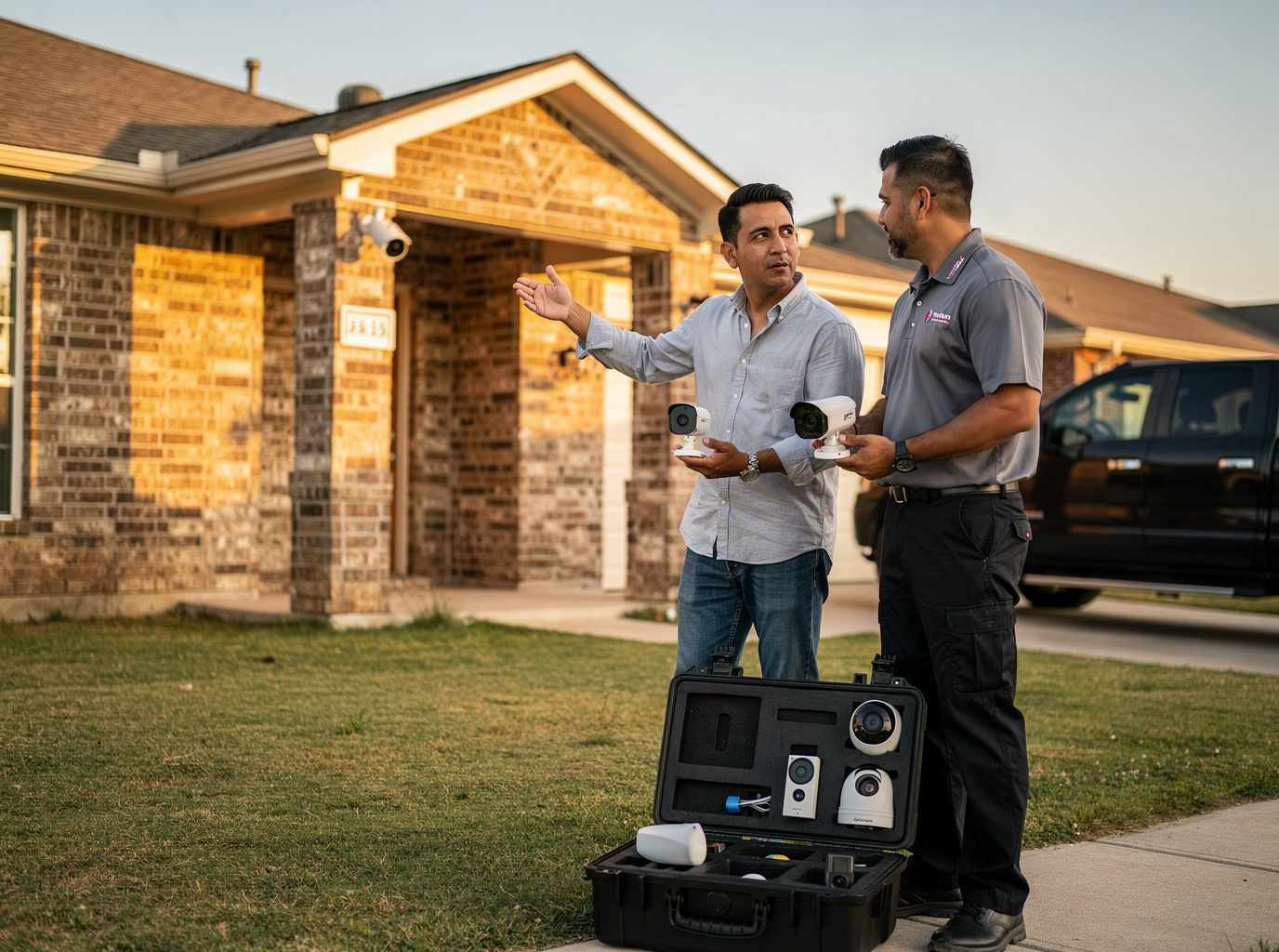
Start by counting entry points and blind spots around your home, then select 4–8 cameras with at least 1080p resolution and night vision ranges of 30–50 feet to cover typical Houston lots. This baseline gives clear footage of driveways, side yards, and back doors without overbuying equipment that exceeds actual needs.
Assessing Your Property's Layout and Vulnerabilities
Walk the perimeter during daylight and again after dark to note shadows cast by mature oaks common in neighborhoods like The Heights and Montrose. Older homes built before 1980 often have thick brick or stucco walls that block wireless signals, so plan cable runs along existing soffits or through attics. Measure distances from the main panel to each camera location so you can choose between 100-foot and 200-foot cable spools instead of guessing later. Document sight lines to the street and alley so you avoid pointing lenses at neighboring properties and creating privacy issues. These steps prevent the most common installation callbacks in Houston's dense older blocks.
Factoring in Houston Weather and Power Reliability
Houston's frequent heavy downpours and hurricane season demand IP66 or IP67-rated cameras that handle driving rain and 100-degree heat without fogging lenses. Summer humidity accelerates corrosion on exposed connectors, so specify stainless-steel mounts and silicone-sealed junction boxes. Power outages lasting hours or days after storms mean you should include battery backup or solar panels rated for at least 10 hours of continuous recording. Place NVR units in interior closets away from windows to reduce flood risk during street flooding events common in low-lying areas near Brays Bayou. These choices keep systems operational when grid power drops.
Comparing Installation and Connectivity Options
Hardwired PoE systems deliver stable video even when WiFi drops during storms, while wireless cameras suit homes where running cable through finished interiors would cause damage. Review the Security Camera Installation page for typical routing methods used on Houston brick and frame homes. If internet reliability is a concern, read Can Security Cameras Work Without WiFi? to understand local cellular backup choices. For properties with multiple buildings or detached garages, a hybrid approach using both wired and wireless cameras often provides the best balance of coverage and cost.
Selecting Storage, Resolution, and Future Expansion
Decide between local NVR storage with 2–4 TB drives that retain 30–45 days of 1080p footage versus cloud plans that start at $5–10 per camera monthly. Choose 4K resolution only on primary entry cameras where license-plate detail matters; 1080p suffices for most perimeter views and reduces storage demands. Leave two spare PoE ports on the NVR and run an extra cable to the attic during initial install so adding cameras later costs only the price of the unit instead of new wiring. Schedule a site visit with the team at 2644 Eva Pearl Street to confirm these details before ordering equipment.